Story Inspiration

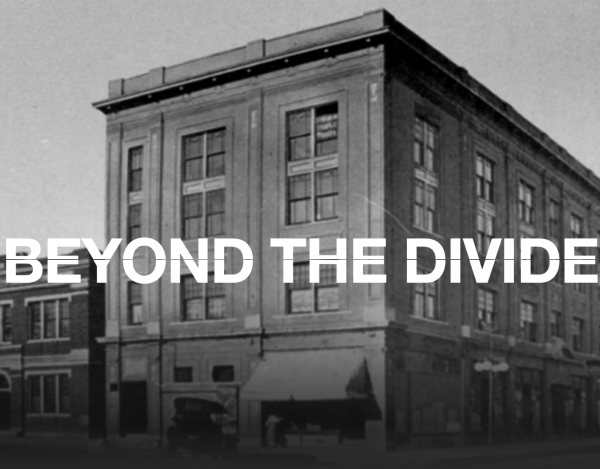
When a local news outlet first announced the Beyond the Divide project, it used an image that didn’t reflect the history or potential of West 9th Street. The framing literally flattened a place with deep cultural meaning and overlooked the community it represents. After raising concerns, the image was eventually changed. It was a small correction, but one that underscored how easily narratives about this corridor can be mishandled. That moment opened the door for a deeper conversation with Ernest Banks about the intention, design and community-centered work behind this project. The drone footage (shoutout to Big Picture Little Rock) captures West 9th as it really is: layered, resilient and ready for reconnection. This corridor deserves to be seen honestly. It deserves context. It deserves storytelling that matches its legacy. What follows is the story behind the work.
Q&A with Ernest Banks

Ernest Banks is an Architectural Designer at Polk Stanley Wilcox, a Little Rock–based architecture firm known for thoughtful, context-driven design. Over the past five years, Ernest has helped shape projects that respond to community narratives, built environments and local identity.
In addition to his role at the firm, Ernest co-leads studioMAIN, the nonprofit design collective behind the Beyond the Divide initiative. His work sits at the intersection of design, history and public space with a particular focus on how infrastructure, policy and community memory shape the way neighborhoods evolve. Ernest brings both technical expertise and cultural awareness to the reimagining of West 9th Street, making him a key voice in this effort to reconnect a corridor once fractured by urban renewal and the construction of Interstate 630.
Q: What’s the overall vision for the W 9th Street beautification project?
Ernest:
The vision from my team at studioMAIN is to reimagine three blocks of West 9th Street — from Broadway to State Street — as a vibrant, people-centered corridor that celebrates the history and creativity rooted there. This project isn’t just about beautification; it’s about reconnection.
For one month in Spring 2026, we’ll transform the street through public art, tactical urbanism, storytelling and community programming that invites people to experience 9th Street as a living, cultural space once again.
Q: How does the design honor the area’s cultural and historical significance?
Ernest:
West 9th Street was once the heart of Little Rock’s Black business and entertainment district — home to Dreamland Ballroom, the Mosaic Templars and countless stories of resilience and artistry.
Every element of our design plans will pay tribute to that legacy. From outdoor exhibits that honor what was erased, to murals and installations co-created with local artists and historians, to spaces that improve leisure and accessibility, we’re making sure the project remembers the past while creating room for new stories to be told.
Q: What stage is the project in right now, and what’s coming next?
Ernest:
We’re in the early design and partnership phase. Little Rock was one of only three cities nationwide selected for Smart Growth America’s Community Connectors grant, which gives us a strong foundation for this work.
Over the coming months, we’ll refine the corridor plan, develop demonstration components and continue building local collaborations to bring the vision to life by Spring 2026.
Q: How can residents, artists or small businesses get involved?
Ernest:
We’re building this with the community, not just for it. Local residents and artists can follow updates and opportunities through www.studio-main.org/beyond-the-divide and on our social channels (@studiomainar).
We will organize community engagement sessions for those interested in providing constructive feedback on the plans. We’ll also soon announce open calls for artists and vendor opportunities for small businesses who want to activate the corridor during the month-long quick build demonstration.
Q: What’s one thing you hope people understand that might not be obvious?
Ernest:
This is more than a street beautification project — it’s a chance to heal and reconnect. The construction of I-630 physically divided this community decades ago. This quick build demonstration shows how design can bridge divides — socially, economically and culturally — and help us envision a more equitable Little Rock.
At its heart, this project is about people: the stories that built West 9th Street and the next generation who will shape what it becomes.
For clarity: This is a quick build demonstration project organized and initiated by my nonprofit team at studioMAIN. The City of Little Rock is our partner. The project is funded by a private grant — not public tax dollars — and the installations are temporary for one month. The long-term goal is for the City to evaluate the reimagined corridor and determine which ideas to adopt for future development.
“This project is an opportunity to honor what was lost and design what’s possible.”
— Ernest Banks
Dive Deeper
If this work speaks to you, here are a few ways to explore the history, the vision and the community effort shaping West 9th Street’s future.
Explore the Beyond the Divide Project
studioMAIN’s project page offers a closer look at the goals, partners and design approach behind the quick-build demonstration planned for Spring 2026:
Understand the History Beneath the Corridor
To appreciate why this work matters, the documentary Dream Land: Little Rock’s West 9th Street provides essential context on the businesses, community and displacement that shaped the neighborhood.
